The History & Origins of Sound Healing Across Cultures
Sound healing may feel like a modern wellness trend, but the use of sound for calming the mind, regulating the body, and supporting emotional well-being is ancient. Long before sound baths or singing bowls appeared in studios and clinics, cultures around the world were using rhythm, vibration, and tone to restore balance and connection.
What’s emerging today isn’t something new.
It’s a remembering.
This post explores the roots of sound healing across cultures and how these traditions continue to inform modern sound practices in a grounded, respectful way.
Sound as One of Humanity’s Oldest Healing Tools
Before written language, before modern medicine, humans relied on sound to communicate, regulate, and soothe. Drumming, chanting, humming, and rhythmic movement were not separate from daily life—they were woven into rituals, ceremonies, and community gatherings.
Across cultures, sound has been used to:
calm the nervous system
mark transitions and life events
support emotional release
create group coherence and safety
help people enter altered or meditative states
These practices were not about performance.
They were about connection—to the body, to the breath, to one another.
Ancient Traditions That Used Sound for Healing
Indigenous and Tribal Cultures
Many Indigenous cultures used drums, rattles, chants, and vocal toning as tools for grounding, storytelling, and healing. The steady rhythm of the drum mirrors the heartbeat, helping regulate the body and bring people back into a sense of safety and belonging.
These traditions emphasized listening—to the land, to the body, and to the collective rhythm of the group.
Ancient Greece
In ancient Greece, philosophers and physicians believed sound and music directly influenced health. Pythagoras taught that certain musical intervals created harmony in both the body and the soul, a concept sometimes referred to as the “music of the spheres.”
Music was prescribed as a way to restore balance, regulate emotions, and support mental clarity.
Eastern Traditions
In India, chanting and mantra have been used for thousands of years as tools for focus, nervous system regulation, and spiritual practice. Specific sounds were believed to influence the body and mind through vibration and repetition.
In Tibetan and Himalayan regions, metal singing bowls and bells were traditionally used in meditation and ceremonial settings. These instruments produce complex, layered tones that help quiet the mind and support deep stillness.
Voice as the First Instrument
Across cultures, the human voice has always been one of the most powerful sound healing tools. Humming, toning, and chanting activate the vagus nerve, stimulate relaxation, and create internal vibration that can be deeply soothing.
The voice requires no external instrument—just breath, presence, and sound.
From Ancient Practices to Modern Sound Healing
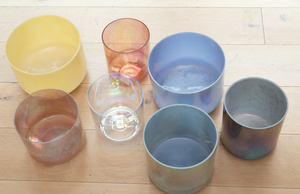
Modern sound healing draws inspiration from these ancient traditions while adapting them for contemporary needs. Today’s sound baths often use instruments like crystal singing bowls, Himalayan bowls, gongs, and chimes to create immersive soundscapes designed to support rest and nervous system regulation.
While the instruments may look different, the intention remains the same:
to slow down
to listen
to create a sense of safety
to help the body return to balance
Modern research is now beginning to explain what ancient cultures intuitively understood: sound affects the nervous system, breath, and emotional state in measurable ways.
Honoring the Roots Without Appropriation
It’s important to approach sound healing with respect for its origins. Modern practitioners are not recreating ancient ceremonies, nor claiming ownership over cultural traditions. Instead, sound healing today is an evolving wellness practice informed by history, research, and lived experience.
In my work, I focus on:
nervous system support
emotional grounding
creating a safe, inclusive experience
using sound as a non-invasive, accessible tool
This approach honors the wisdom of the past while meeting people where they are now.
Why This History Still Matters
Understanding the origins of sound healing helps us remember that rest, rhythm, and vibration are not luxuries—they are part of our biology. Our bodies are designed to respond to sound.
When we lie down in a sound bath, soften our breath, and allow vibration to move through us, we are participating in something deeply human.
Not a trend.
A tradition.
A Gentle Bridge to the Present
Today, sound healing offers a modern container for something ancient: the opportunity to pause, listen, and let the body recalibrate without effort.
You don’t need to understand the history to benefit from sound healing. But knowing where it comes from can deepen your appreciation for why it feels so natural, familiar, and supportive.
If you’re curious to experience this for yourself, you’re always welcome to join a session—whether one-on-one or in community.